ASMR The Slavic Languages (soft spoken, map tracing)

チャンネル登録者数 6.5万人
0回視聴
概要
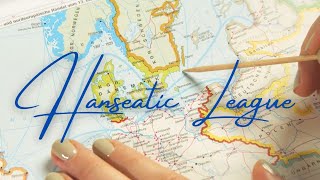
Let's continue our language history series with the slavic languages! At home mainly in Eastern Europe, these are closely related, often mutually intelligible languages that started to separate about 1000 years ago. We'll of course also have a look at the different Cyrillic alphabets and at some of the smaller languages where it's not always clear whether they will be classified as a dialect or a separate language in the future. Corrections: Silesian has about half a million active speakers and the language which is considered a dialect in Ukraine is called Rusyn. Only a small part of the historical area of Moravia is in Slovakia today, the majority is part of the Czech Republic. Montenegro exists, even though I forget to mention it. Books: Putzger: Historischer Weltatlas, Kartenedition. Carl Faulmann: Schriftzeichen und Alphabete aller Zeiten und Völker. *** You can support my channel via: https://www.paypal.com/paypalme/melan...
画面を消しても聞きたいときは
他のアプリを使いながら聞くには、再生中にプレイヤーをピクチャ・イン・ピクチャ(PiP)にすると、小さな小窓で再生が続きます(画面はオンのまま)。
画面を完全に消して聞きたい場合、ブラウザ上での再生は YouTube の仕様で停止します。YouTube アプリで開くと、バックグラウンド再生に対応した環境(YouTube Premium など)でそのまま聞けます。
YouTubeアプリで開く





![[ASMR] Random Rambles + Finals Week Ramble](https://i.ytimg.com/vi/zzRPq3MtoIE/mqdefault.jpg)


