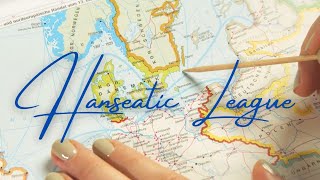
ASMR The Slavic Languages (soft spoken, map tracing)

구독자 6.5만명
조회수 0회
설명
Let's continue our language history series with the slavic languages! At home mainly in Eastern Europe, these are closely related, often mutually intelligible languages that started to separate about 1000 years ago. We'll of course also have a look at the different Cyrillic alphabets and at some of the smaller languages where it's not always clear whether they will be classified as a dialect or a separate language in the future. Corrections: Silesian has about half a million active speakers and the language which is considered a dialect in Ukraine is called Rusyn. Only a small part of the historical area of Moravia is in Slovakia today, the majority is part of the Czech Republic. Montenegro exists, even though I forget to mention it. Books: Putzger: Historischer Weltatlas, Kartenedition. Carl Faulmann: Schriftzeichen und Alphabete aller Zeiten und Völker. *** You can support my channel via: https://www.paypal.com/paypalme/melan...
화면을 끄고도 계속 듣고 싶다면
다른 앱을 사용하면서 들으려면 재생 중에 플레이어를 PIP(픽처 인 픽처)로 전환하세요. 작은 떠 있는 창으로 재생이 계속됩니다(화면은 켜진 상태).
화면을 완전히 끈 채로 들으려면, 브라우저에서의 재생은 YouTube 정책상 멈춥니다. YouTube 앱에서 열면 백그라운드 재생이 지원되는 환경(예: YouTube Premium)에서 계속 들을 수 있습니다.
YouTube 앱에서 열기





![[ASMR] Random Rambles + Finals Week Ramble](https://i.ytimg.com/vi/zzRPq3MtoIE/mqdefault.jpg)


