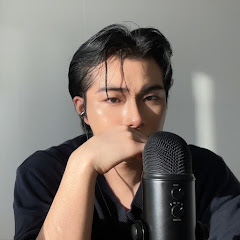
The Saddest Lie Koreans Tell the Most [Soft spoken]
구독자 4.9만명
조회수 4.1만회5개월 전
설명
Learn the meaning of the Korean expression “Gwaenchanha” (괜찮아) through soft spoken Korean ASMR, Korean culture, and emotional reflection. “Gwaenchanha” is often translated as “I’m okay,” but in real Korean conversations, it can carry much more than that. In Korean, “Gwaenchanha” (괜찮아) does not always mean that someone is truly okay. You may hear this Korean phrase in K-dramas, Korean movies, daily Korean conversations, or quiet moments between people who do not want to say too much. But inside this simple expression, there can be restraint, consideration, and a quiet decision not to become a burden. Sometimes, “I’m okay” means: “I don’t want to worry you.” “I’m trying to hold it together.” “Please notice what I cannot say.” In this soft spoken Korean ASMR reflection, you’ll gently discover: what Gwaenchanha (괜찮아) really means in Korean why “I’m okay” can carry hidden emotions in Korean culture how tone, silence, and hesitation change the meaning of Korean words why asking “Are you really okay?” one more time can matter how Korean expressions often protect feelings instead of exposing them directly why this word feels so familiar in K-dramas and Korean emotional scenes This is not just a lesson about learning Korean. It is a quiet reflection on how people sometimes protect each other’s hearts by hiding their own. If you have ever said “I’m fine” when you were not, or smiled because explaining felt too heavy, I hope this soft spoken whisper sits beside you for a little while. #KoreanCulture #LearnKorean #KoreanASMR #KoreanLanguage #KoreanPhrases #Gwaenchanha #KoreanExpression #KDramaKorean #SoftSpokenASMR #WhisperASMR #EmotionalASMR #ASMR #괜찮아