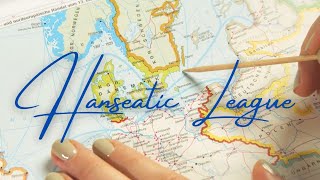
ASMR The Slavic Languages (soft spoken, map tracing)

64,7 тыс. подписчиков
0 просмотров
Описание
Let's continue our language history series with the slavic languages! At home mainly in Eastern Europe, these are closely related, often mutually intelligible languages that started to separate about 1000 years ago. We'll of course also have a look at the different Cyrillic alphabets and at some of the smaller languages where it's not always clear whether they will be classified as a dialect or a separate language in the future. Corrections: Silesian has about half a million active speakers and the language which is considered a dialect in Ukraine is called Rusyn. Only a small part of the historical area of Moravia is in Slovakia today, the majority is part of the Czech Republic. Montenegro exists, even though I forget to mention it. Books: Putzger: Historischer Weltatlas, Kartenedition. Carl Faulmann: Schriftzeichen und Alphabete aller Zeiten und Völker. *** You can support my channel via: https://www.paypal.com/paypalme/melan...
Хотите слушать с выключенным экраном?
Чтобы слушать, пользуясь другими приложениями, переключите плеер в режим «картинка в картинке» (PiP) во время воспроизведения — оно продолжится в маленьком плавающем окне (экран остаётся включённым).
Чтобы слушать с полностью выключенным экраном: воспроизведение в браузере останавливается из-за особенностей YouTube. Откройте видео в приложении YouTube, чтобы продолжить прослушивание там, где поддерживается фоновое воспроизведение (например, с YouTube Premium).
Открыть в приложении YouTube





![[ASMR] Random Rambles + Finals Week Ramble](https://i.ytimg.com/vi/zzRPq3MtoIE/mqdefault.jpg)


